OEM and ODM for beauty laser equipment: what buyers should ask
Many beauty laser suppliers offer OEM and ODM services, and many buyers agree to them without knowing exactly what they are buying. This post explains the two terms in plain language, using the services listed on the manufacturer's DPL4-A2 product page as its example, and lists the questions buyers should ask before signing anything.
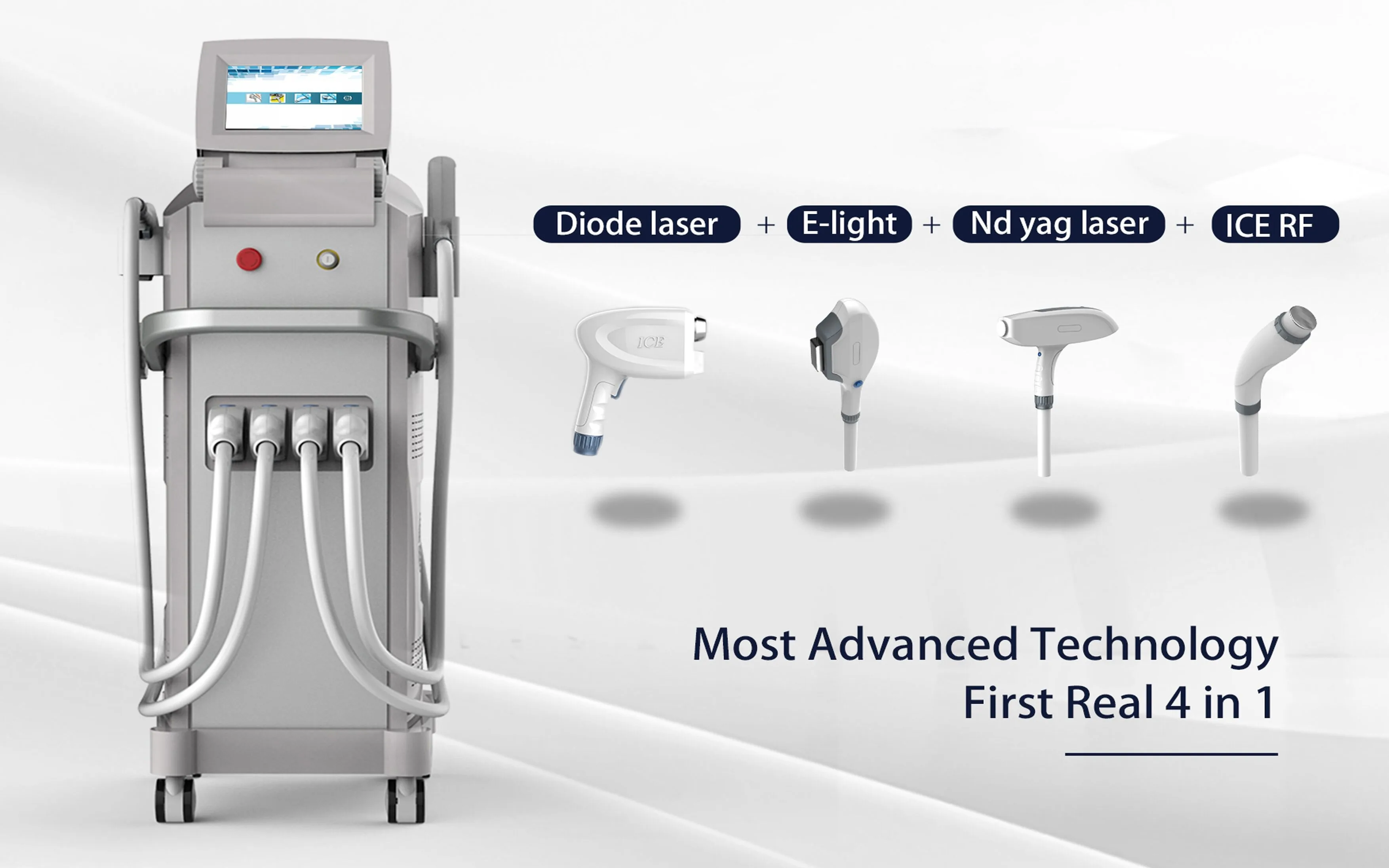
OEM and ODM are commercial arrangements, not product features. They describe who designs what, who owns the design, and what the buyer can change. Those questions matter more than the label, and buyers should get the answers in writing.
What OEM and ODM mean in practice
Under an OEM arrangement, the buyer typically supplies a brand, a design, or a specification, and the manufacturer produces equipment to it. Under an ODM arrangement, the manufacturer supplies an existing design and the buyer adapts it — changing colours, branding, software screens, or minor features — without designing the machine from scratch. Most beauty laser deals sit somewhere between the two, and the exact split should be written down rather than assumed from the label.
The manufacturer's DPL4-A2 product page lists OEM and ODM services together with a free design service covering software and shell. That wording suggests the manufacturer will adapt software and exterior design for buyers, but it does not say how far the adaptation goes, what it costs beyond the free element, or who owns the resulting design. Buyers should ask each of those questions directly, since the page wording alone does not answer them.
Distributors and single salons need different things from OEM and ODM. A distributor ordering for resale usually needs branding, packaging, and documentation in the resale market's language, plus a consistent design across many units. A single salon usually needs only its own branding and colours, and may not need packaging changes at all. Buyers should describe their own situation when asking about OEM and ODM, rather than accepting a standard adaptation package, since the standard package may include work they do not need and miss work they do.
Questions to ask before agreeing
Ask what can be changed: colours, branding, software language and screens, shell design, handpiece configuration, and documentation. The DPL4-A2 page lists colours in Silver, White, Gold, and Blue, which suggests colour choice is straightforward, but software and shell changes may involve different processes and timelines. Ask which changes are included in the free design service and which are charged separately.
Ask who owns the adapted design, and whether the buyer can take it to another manufacturer later. Ask what happens to spare parts and support if the adapted design differs from the standard model. Ask for the design process in writing: drafts, approvals, samples, and sign-off points, with timelines for each stage. A design service without a written process tends to drift, and drift costs time.
Ask about minimum quantities and lead times for adapted units, since adapted production often differs from standard production on both points. Confirm the model, the specification, the quantity, the price, and the delivery terms in writing before payment, and make sure the written specification describes the adapted unit, not the standard one. An order that describes the standard model while the buyer expects an adapted one is a dispute waiting to happen.
A note on evidence
The services described here are stated on the manufacturer's product page. They are presented in this post as page wording, not as independently verified facts, and buyers should confirm the current scope of OEM and ODM services with the supplier directly. Service scopes change, and a page that listed a service last year may describe it differently now.
Buyers who need OEM or ODM work should also confirm after-sales arrangements for adapted units specifically. Documentation, video support, and online video support are listed on the manufacturer's page for the standard platform; adapted units may need adapted documentation, and buyers should confirm that the documentation they receive matches the unit they ordered.
What the free design service does and does not cover
The manufacturer's page lists a free design service covering software and shell. Buyers should pin down what free means in practice: which design changes are included without charge, how many revision rounds are included, and what happens when a buyer asks for a change beyond the included scope. A free service with one revision round is a different offer from a free service with unlimited revisions, and the difference should be written down before work starts.
Ask the supplier to confirm whether software design (screens, language, and user interface elements) and shell design (colours, branding, and exterior appearance) are included in the design service for the purchased order, and which items are included and which are charged separately. Buyers should ask whether software changes affect the machine's functions or only its appearance, and whether shell changes affect dimensions, weight, or packing. A shell change that alters packing size changes shipping costs, and buyers should confirm the final packing data for the adapted unit rather than relying on the standard model's figures.
Buyers should also ask about samples: will the supplier provide photographs, a sample unit, or both for approval before full production, and who pays for the sample and its shipping. An adapted design approved from photographs alone can differ from the delivered unit in ways photographs hide, such as weight, finish, and control feel. Where the order value justifies it, a physical sample approval step is worth its cost.
Protecting your adapted design
Ownership is the question buyers ask last and regret most. Ask who owns the adapted design: the buyer, the manufacturer, or both jointly. Ask whether the buyer can order the same adapted design from another manufacturer later, and whether the manufacturer can sell the same adapted design to other buyers. Those answers should be written into the agreement, not left to a sales conversation.
Confidentiality matters alongside ownership. If the buyer's brand, clinic name, or market positioning is part of the adapted design, ask how the manufacturer protects it and whether the adapted unit appears in the manufacturer's general marketing. A buyer who finds their branded design in another seller's catalogue has learned this lesson the expensive way.
Finally, confirm the commercial points for adapted units separately from standard units: the adapted model name, the adapted specification, the quantity, the price, and the delivery terms. Confirm the lead time for adapted production, since design approval stages add time that standard production does not need. An order that describes the standard model while the buyer expects an adapted one is a dispute waiting to happen, and the checklist in this post helps clarify the order scope and reduce misunderstanding.