Professional vs at-home laser hair removal
Laser hair removal equipment falls into two broad classes: professional machines used in salons and clinics, and at-home devices sold to consumers. This guide explains how the classes differ, so buyers do not judge one class by the other's standards.
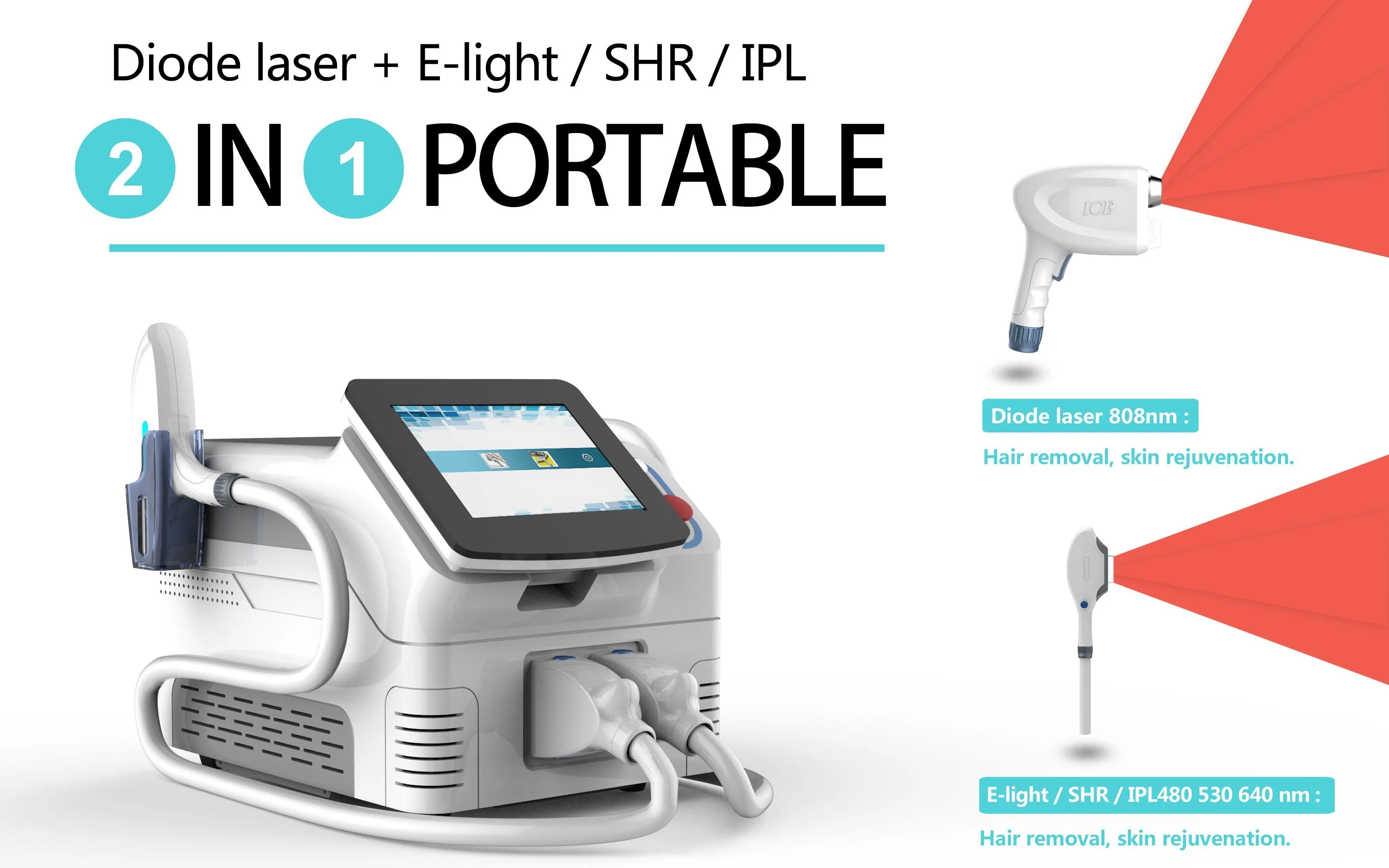
This site covers professional equipment only. At-home devices appear here only to explain the difference; no at-home device is described, recommended, or sold on this site.
How the classes differ
Professional machines are built for trained operators, repeated daily use, and a range of clients. They typically offer higher power options, interchangeable handpieces, and cooling systems designed for continuous operation. At-home devices are built for untrained users, with fixed safety limits, smaller treatment windows, and simpler controls.
The difference matters for buying decisions. A salon that buys on at-home criteria — small size, low price, simple controls — may end up with a machine that cannot handle salon volumes or the range of clients a salon serves. A consumer who buys professional criteria — maximum power, interchangeable parts — may end up with a machine they cannot operate safely without training.
What professional buyers should check
Professional buyers should check the wavelength or wavelength set, the spot sizes, the cooling method, and the handpieces included. They should also check what operator guidance and documentation the supplier provides, since professional machines assume trained use and the guidance should match that assumption.
Before payment, confirm the model, the specification from the current product page, the quantity, the price, and the delivery terms in writing. Ask the supplier to confirm whether the machine is a professional unit or a consumer device, since the distinction is not always clear from a product name alone.