IPL skin rejuvenation treatment
IPL skin rejuvenation treatment uses intense pulsed light to address skin appearance, including pigment and texture concerns. This guide covers the equipment side for salon buyers: which IPL functions apply, how they differ from hair removal functions, and what to confirm before ordering.
This guide is buyer guidance, not treatment advice. It does not recommend treatment for any individual and makes no claim about results.
Treatment functions and equipment functions
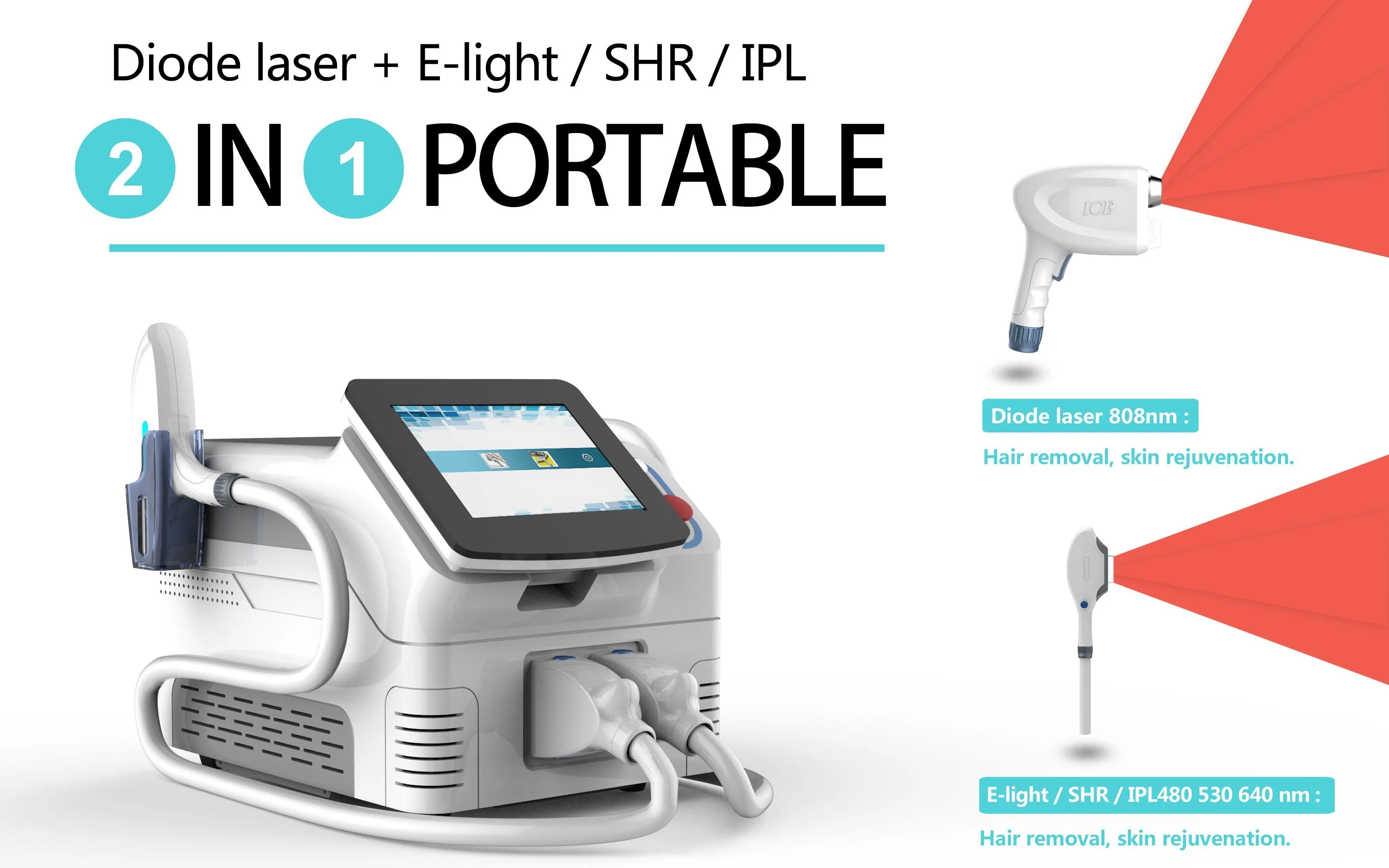
On the manufacturer's DPL4-A2 product page, IPL and E-light skin functions sit alongside hair removal functions, but they use different bands: 480nm to 1200nm for acne therapy areas and 530nm to 1200nm for pigment removal, versus 640nm to 1200nm for hair removal. A machine that lists all three bands is not automatically set up for all three uses; filters and handpieces determine which band is actually delivered.
Photorejuvenation is another name used for the same family of IPL skin treatments. Buyers comparing machines sold under different names — photorejuvenation, photo rejuvenation, IPL skin resurfacing — should compare the stated wavelength bands and handpieces rather than the marketing name.
What salon buyers should confirm
Before payment, confirm the wavelength bands, the filters and handpieces included, and whether the machine is a standalone IPL unit or part of a multifunction platform. Confirm the specification from the current product page, the quantity, the price, and the delivery terms in writing.
Ask the supplier what operator guidance and documentation are supplied for skin treatments, and whether any additional training is recommended. Skin treatments involve assessment of the client's skin, so guidance matters as much as the machine's stated bands.